Sample 65315
65315 Cataclastic Anorthositic with glass coat 300 grams
Section titled “65315 Cataclastic Anorthositic with glass coat 300 grams”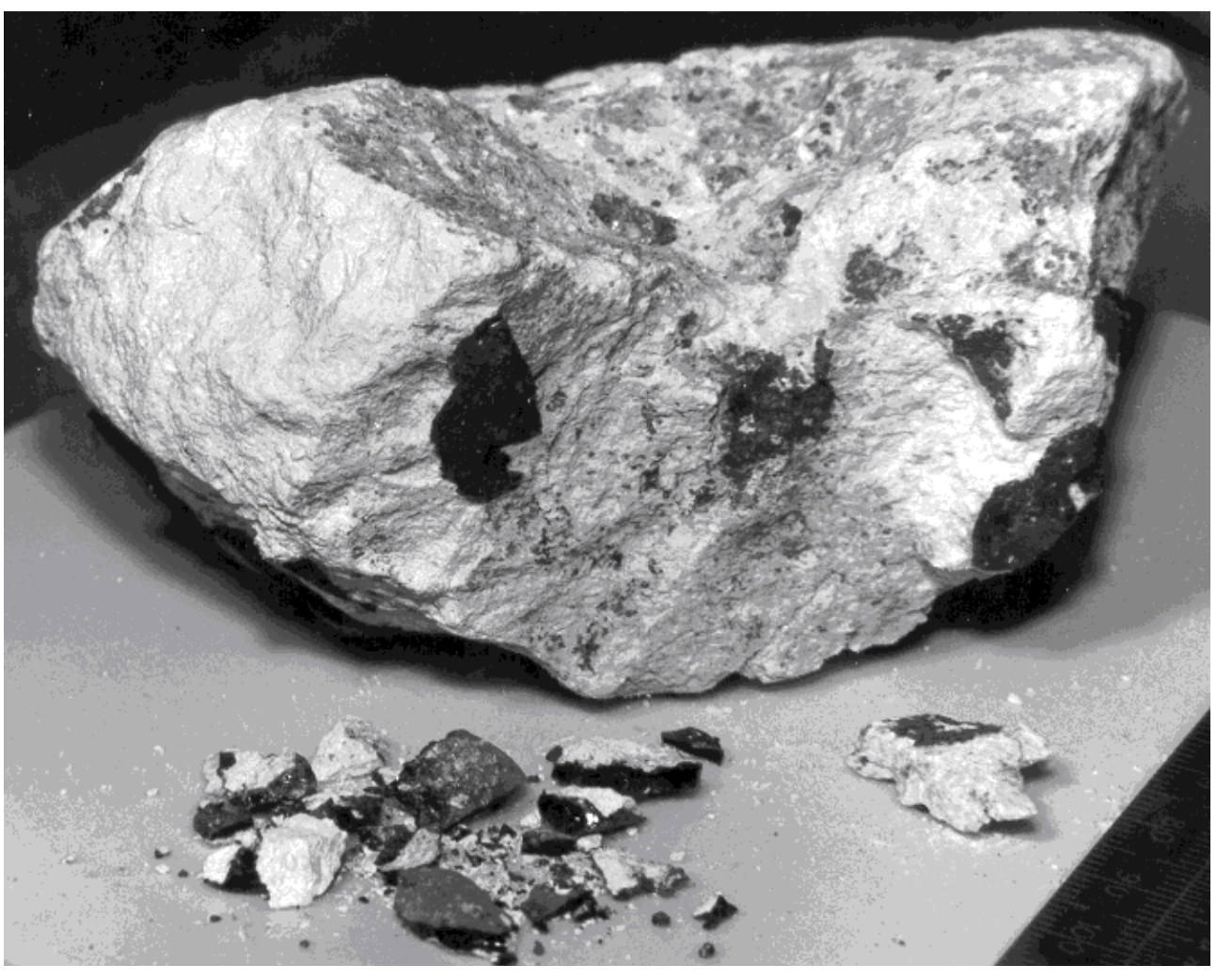
Figure 1: Photo of 65315. Sample is about 8 cm across. This side was glass coated. NASA S72-42565.
Introduction
Section titled “Introduction”65315 is a chemically pristine lunar anorthosite that has been crushed, but not highly shocked. It had a black glass coating on one side (possibly all sides) that has broken off during meteorite bombardment and during the trip to earth and processing in laboratory (figure 1 and 2). The other side is covered with micrometeorite pits and the sample is generally rounded (figure 3). 65315 was placed in the bag with the rake samples from that location (lower slope of Stone Mountain).
65325 and 65327 (from the same sample bag) both have textures and mineralogy similar to 65315. 65366
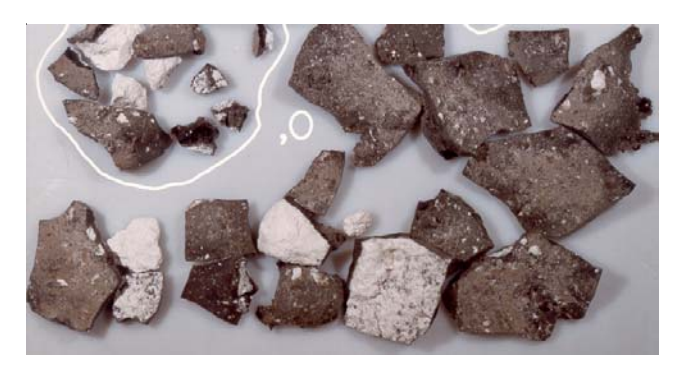
Figure 2: Sample 65366. Additional glass chips found in same bag and probably from 65315. NASA S82-29748. Each about 1 cm.
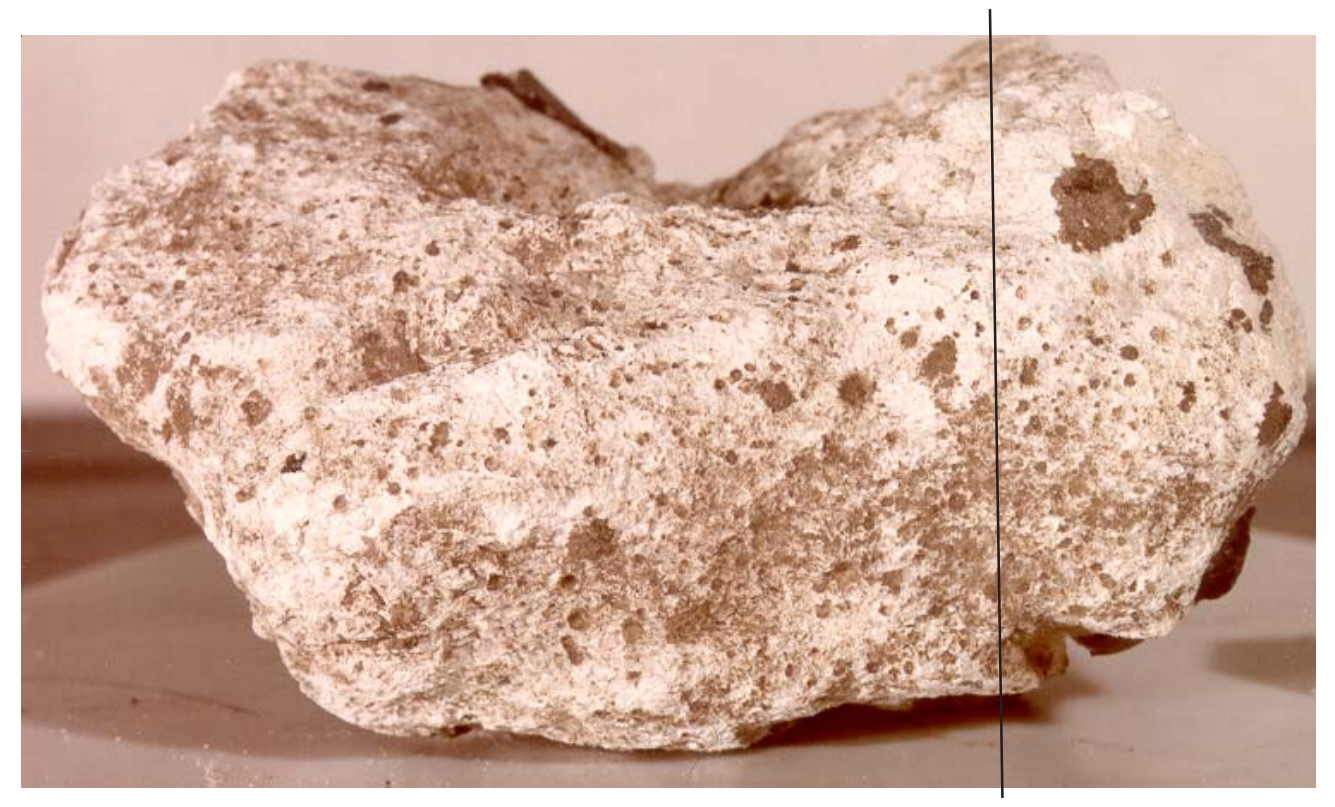
Figure 3: Photo of 65315. NASA S72-39419. Sample is about 8 cm across. Note abundant micrometeorite pits and patina on this surface. Location of saw cut is indicated.
(figure 2) is probably the glass coating that was originally attached to 65315.
65315 has not been successfully dated, but it has a relatively young cosmic-ray exposure age of 1.3 - 1.8 m.y.
Petrography
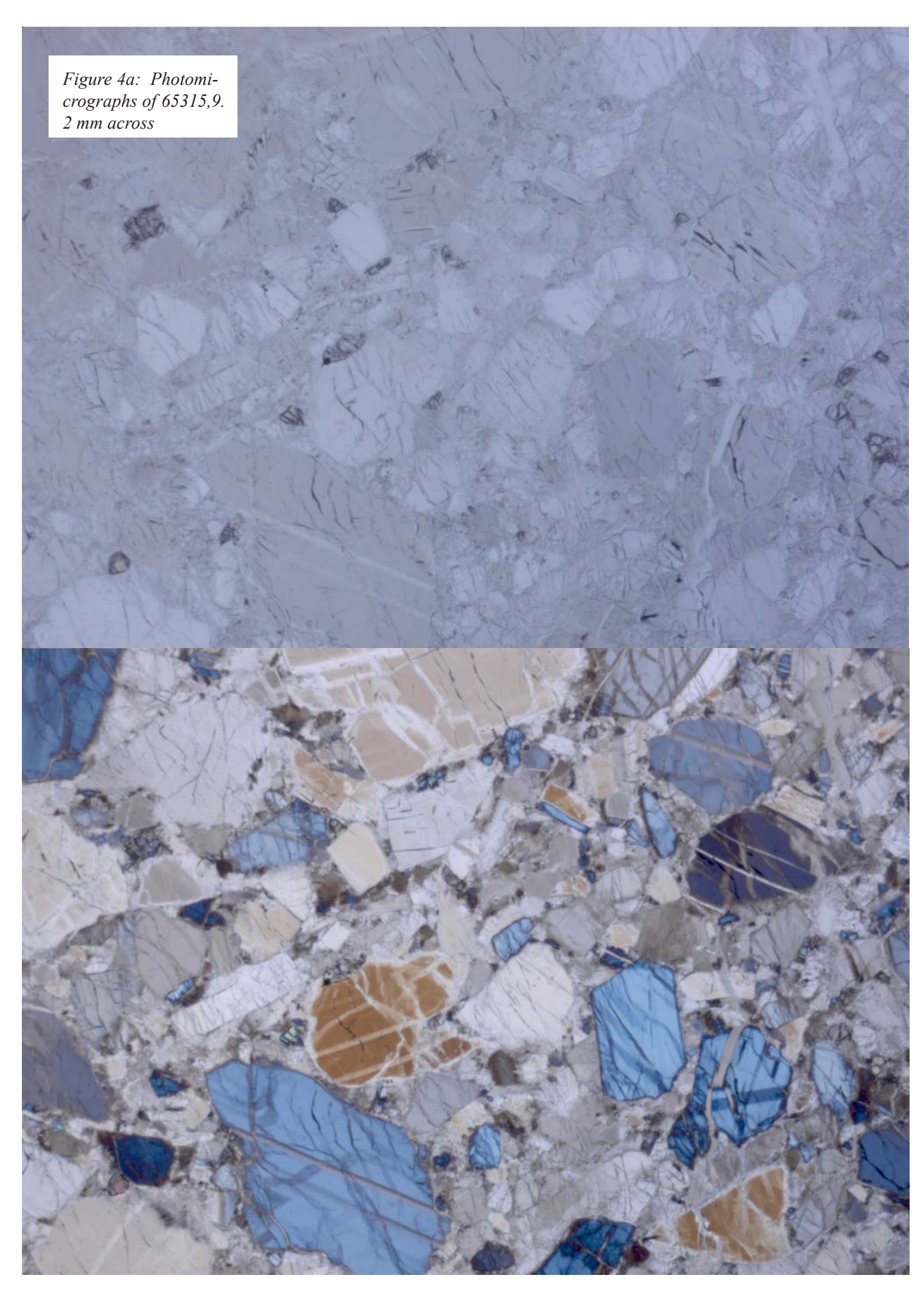
Section titled “Petrography”65315 is a badly crushed, ferroan anorthosite with relic plagioclase grains up to 4 mm long (figure 4). The only mafic mineral reported is pyroxene which is found at grain boundaries. All grains exhibit undulose extinction (due to shock) but shock melting and/or recrystallization was not observed (Ryder and Norman 1980).
McGee (1993) describe 65315 as: “Cataclastic anorthosite 65315 has plagioclase fragments with seriate grain size, as much as 3 mm across. Rare equant pyroxene fragments are generally less than 0.1 mm across and have no visible (i.e. greater the ~0.1 micron) exsolution lamellae. Some equant pyroxenes are included in plagioclase. Rare relict intergranular texture is preserved. Low-Ca pyroxene compositions are somewhat variable. Plagioclase and pyroxene compositions are similar to those reported by Dixon
Mineralogical Mode for 65315
Section titled “Mineralogical Mode for 65315”Dixon and Papike 1975
Plagioclase 98.5 % Orthopyroxene 1.2 Clinopyroxene 0.2 Opaque 0.3
and Papike (19750. Rare chromite, ilmenite, and (Zn,Fe)S occur adjacent to or included in, pyroxene.”
Mineralogy
Section titled “Mineralogy”Olivine: none
Pyroxene: Dixon and Papike (1975) found the pyroxene was Wo43En41 and Wo2En65 (figure 5). McGee (1993) found pyroxenes were slightly more Fe rich.
Plagioclase: Dixon and Papike (1975) determined plagioclase to be homogeneous at An97.5. Meyer (1979) and McGee (1993) determined the trace element content of plagioclase (figure 6).
Lunar Sample Compendium C Meyer 2012
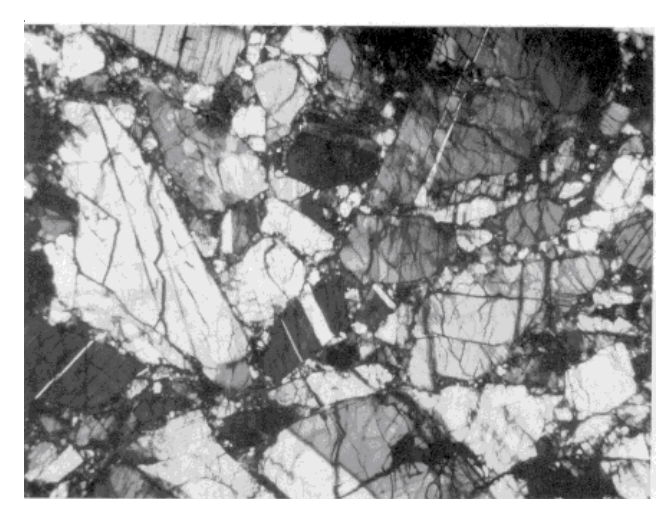
Figure 4b: Thin section photomicrograph of 65315,4 with crossed polarized light. Field of view is 2 mm. (from Ryder and Norman 1980)
Glass: See et al. (1986) and Morris et al. (1986) studied the glass coating.
Metal: Mehta and Goldstein (1980) studied the metal particles from the glass (figure 7).
Chemistry
Section titled “Chemistry”Wanke et al. (1974) and Ebihara et al. (1992) determined the chemical composition of this anorthosite, while Morris et al. (1986) and See et al. (1986) analyzed the glass coating (figure 9).
Warren and Wasson (1983) used 65315 to define what it means for a lunar sample to be “pristine”.
Radiogenic age dating
Section titled “Radiogenic age dating”Stettler et al. (1974) were not able to get a plateau in the Ar release (figure 10).
Cosmogenic isotopes and exposure ages
Section titled “Cosmogenic isotopes and exposure ages”Stettler et al. (1974) and Eberhardt et al. (1975) determined exposure ages of 1.8 m.y. and 1.6 m.y. respectively, by 38Ar. Eberhardt et al. (1975) found 1.5 ± 0.7 m.y. by 81Kr and Gopalan and Rao (1976) reported 1.5 m.y. by 21Ne. Finally, Eugster et al. (1984) determined the age by 81Kr was 1.3 ± 0.7 b.y. – linking it to the ejecta from South Ray Crater.
Other Studies
Section titled “Other Studies”Leich et al. (1974) found significant amounts of F on the surface of 65315 (probably contamination). Filleux
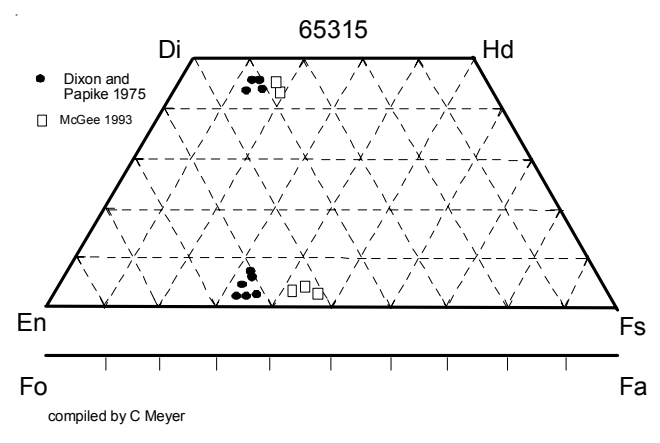
Figure 5: Pyroxene composition of 65315 (from Dixon and Papike 1975; McGee 1993).
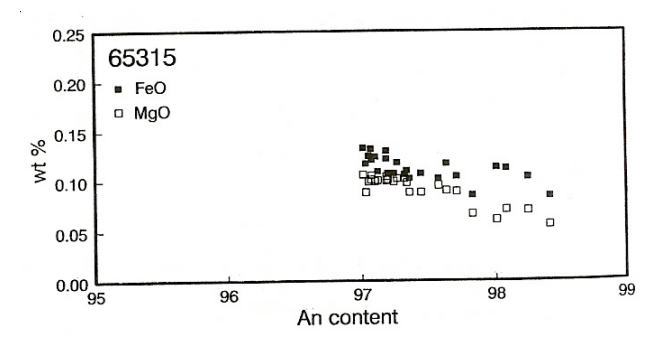
Figure 6: Composition of plagioclase in 65315 (McGee 1993).
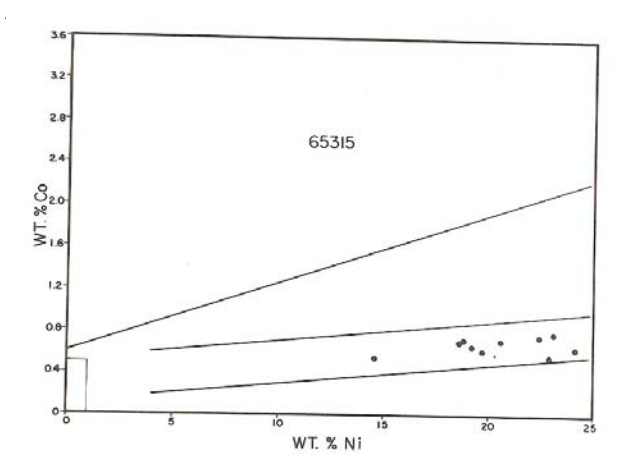
Figure 7: Composition of metalic particles in glass from 65315 (Mehta and Goldstein 1980).
et al. (1977) looked for solar wind-implanted carbon (without success). Nagel et al. (1976) and Hartung et al. (1978) studied the glass linings of micrometeorite pits. Gopalan and Rao (1976) studied the solar cosmic ray interaction with this friable sample.
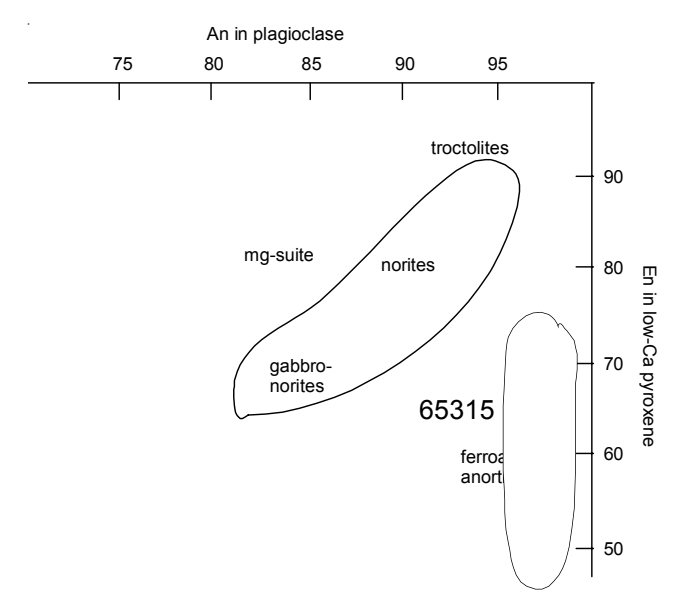
Figure 8: Composition of plagioclase and orthopyroxene in 65315 (from Dixon and Papike 1975) compared with rock types found in lunar highlands.
Processing
Section titled “Processing”65515 was sawn (figure 11) and the end piece was broken for distribution (figure 12). There are 19 thin sections of 65315.
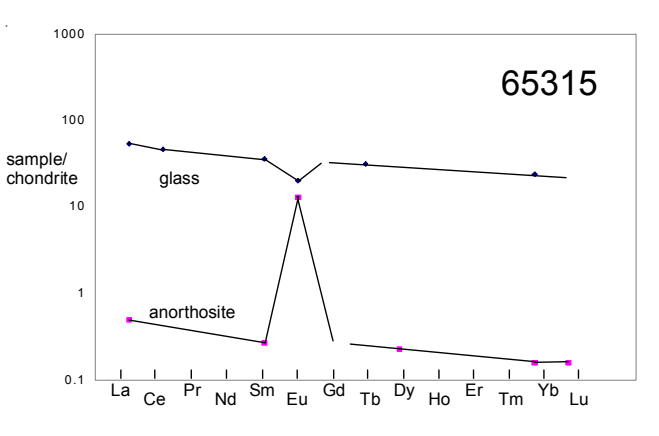
Figure 9: Normalized rare-earth-element diagram for 65315 (data from Wanke et al. 1974 and Morris et al. 1986).
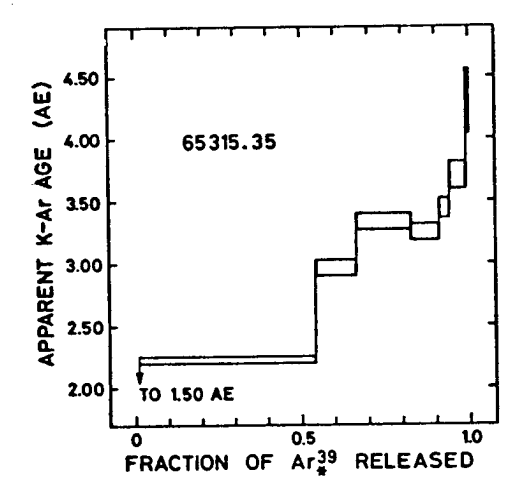
Figure 10: Ar40/39 diagram for 65315 (Stettler et al. 1974).
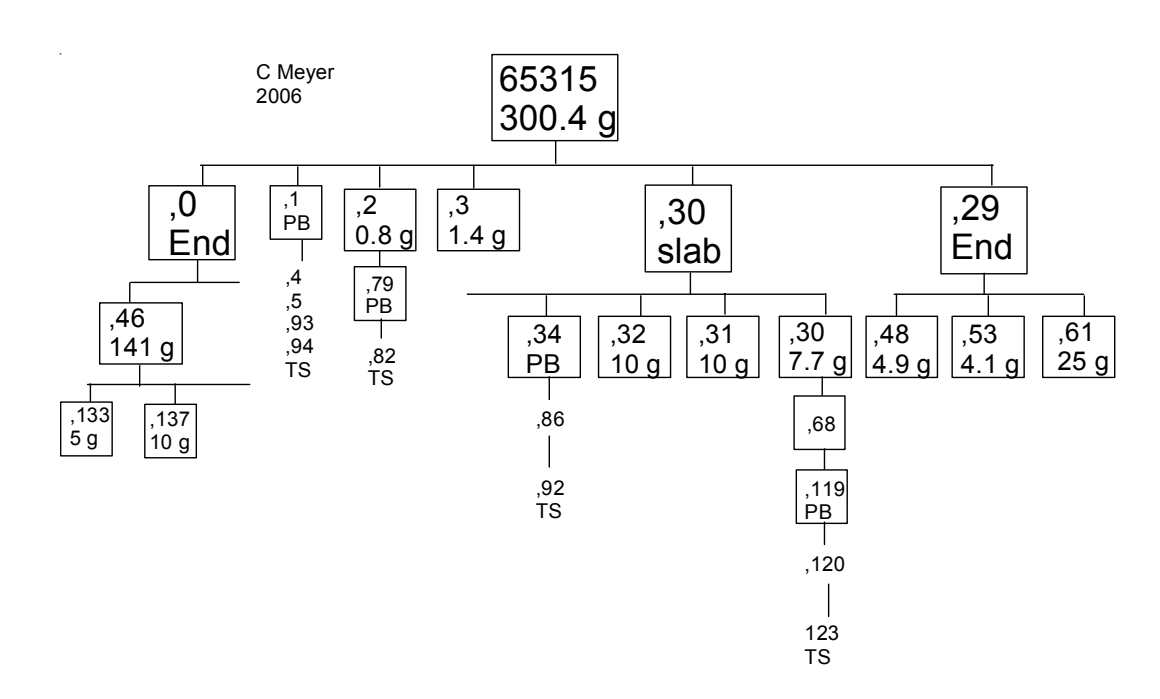
Table 1. Chemical composition of 65315 (and 65366).
| reference Morris 86 weight | glass 65315 | glass 65366 | See 86 anor | Wanke 74 | Ebihara 92 | |||
|---|---|---|---|---|---|---|---|---|
| SiO2 % | 44.59 | 44.54 | (a) 44.3 | (c ) 44.3 | (b) | |||
| TiO2 Al2O3 | 0.4 25.7 | 0.38 25.56 | (a) 0.01 (a) 34.87 | (c ) 0.01 (c ) 34.86 | (b) (b) | |||
| FeO | 6.34 | 6.48 | (a) 0.31 | (c ) 0.31 | (b) | |||
| MnO | 0.07 | 0.08 | (a) 0.01 | (c ) 0.008 | (b) | |||
| MgO CaO | 7.8 14.42 | 7.9 14.39 | (a) 0.25 (a) 19.07 | (c ) 0.25 (c ) 19.1 | (b) (b) | |||
| Na2O | 0.42 | 0.4 | (a) 0.3 | (c ) 0.3 | (b) | |||
| K2O P2O5 | 0.11 | 0.07 | (a) 0.01 | (c ) 0.007 0.01 | (b) (b) | |||
| S % | ||||||||
| sum | ||||||||
| Sc ppm | 6.46 | 6.9 | (b) | 0.39 | (b) | |||
| V Cr | 923 | 1013 | (b) | |||||
| Co | 67 | 73 | (b) | 0.58 | (b) | |||
| Ni Cu | 1103 | 1416 | (b) | 1.4 2.1 | (b) | (b) <1.22 | (d) | |
| Zn | 93 | (b) 53 | (d) | |||||
| Ga Ge ppb | 3.25 | (b) | 4.59 | (d) | ||||
| As Se | 2 | (b) | 6.78 | (d) | ||||
| Rb | 0.17 | (b) 0.087 | (d) | |||||
| Sr Y | 167 0.3 | (b) (b) | ||||||
| Zr | 15 | (b) | ||||||
| Nb Mo | 0.2 | (b) | ||||||
| Ru | ||||||||
| Rh Pd ppb | <0.49 | (d) | ||||||
| Ag ppb | 0.89 | (d) | ||||||
| Cd ppb | 279 | (d) | ||||||
| In ppb Sn ppb | 21.6 | (d) | ||||||
| Sb ppb | 0.3 | (d) | ||||||
| Te ppb Cs ppm | 0.015 | 0.93 (b) 0.0089 | (d) (d) | |||||
| Ba | 441 | 151 | (b) | 4.8 | (b) | |||
| La Ce | 12.6 28.5 | 11.8 33.6 | (b) (b) | 0.12 | (b) | 0.251 | (d) | |
| Pr | ||||||||
| Nd Sm | 5.32 | 5.6 | (b) | 0.04 | (b) | 0.22 | (d) | |
| Eu Gd | 1.14 | 1.05 | (b) | 0.74 | (b) 0.748 | (d) | ||
| Tb | 1.15 | 1.21 | (b) | 0.0057 | (d) | |||
| Dy Ho | 0.056 | (b) | ||||||
| Er | ||||||||
| Tm | ||||||||
| Yb Lu | 3.85 0.53 | 3.65 0.52 | (b) (b) | 0.026 0.004 | (b) 0.0137 (b) 0.0019 | (d) (d) | ||
| Hf | 3.74 | 3.82 | (b) | 0.49 | (b) | |||
| Ta W ppb | 0.51 | (b) | 0.019 | (b) | ||||
| Re ppb | 0.0019 | (d) | ||||||
| Os ppb Ir ppb | <0.07 0.011 | (d) (d) | ||||||
| Pt ppb | ||||||||
| Au ppb Th ppm | 2.54 | 2.85 | (b) | 1 | (b) <0.0025 | (d) | ||
| U ppm | 0.81 | 0.5 | (b) | <0.0006 (b) 0.00094 | (d) | |||
| technique: (a) emp, (b) INAA, (c ) tabulation, (d) RNAA |
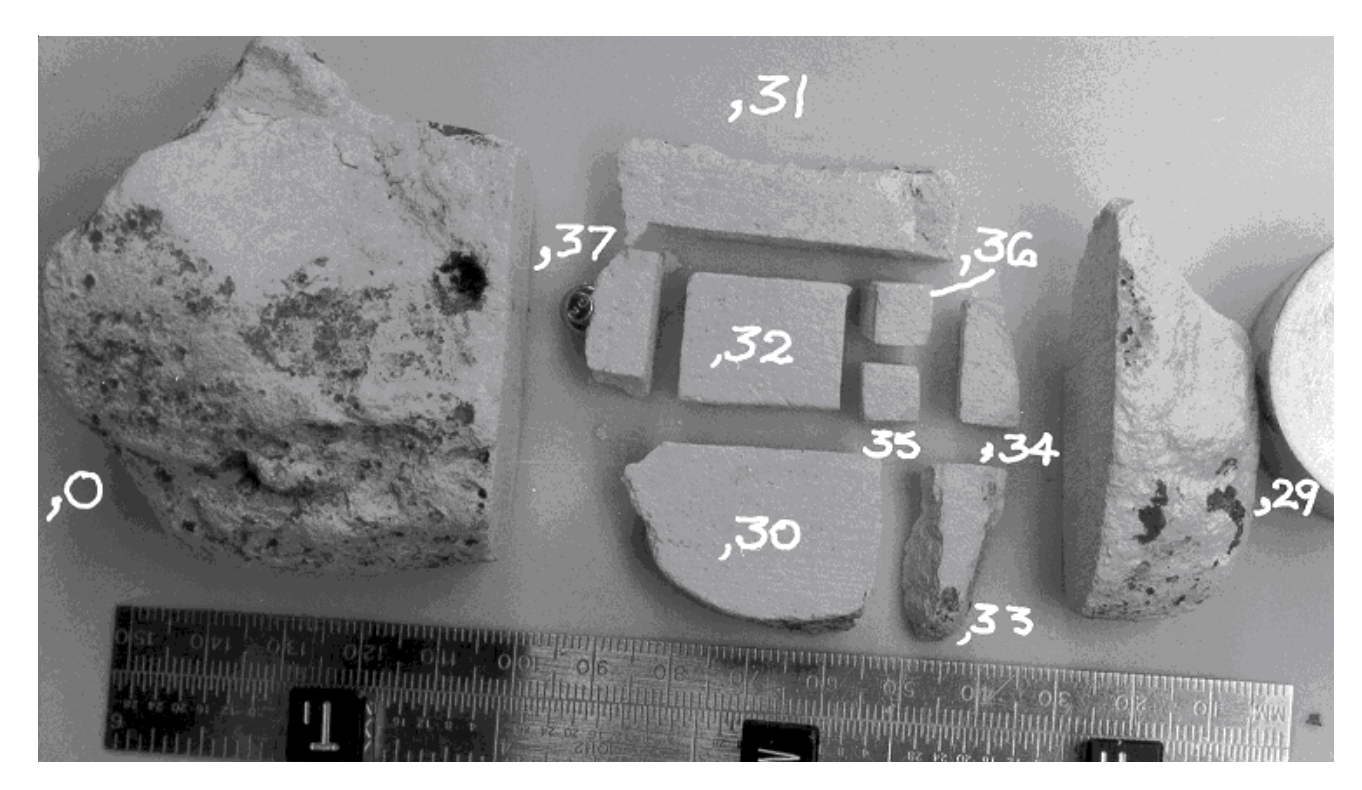
Figure 11: Group photo of 65315 after saw cut. Cube is 1 cm. NASA S73-28310.
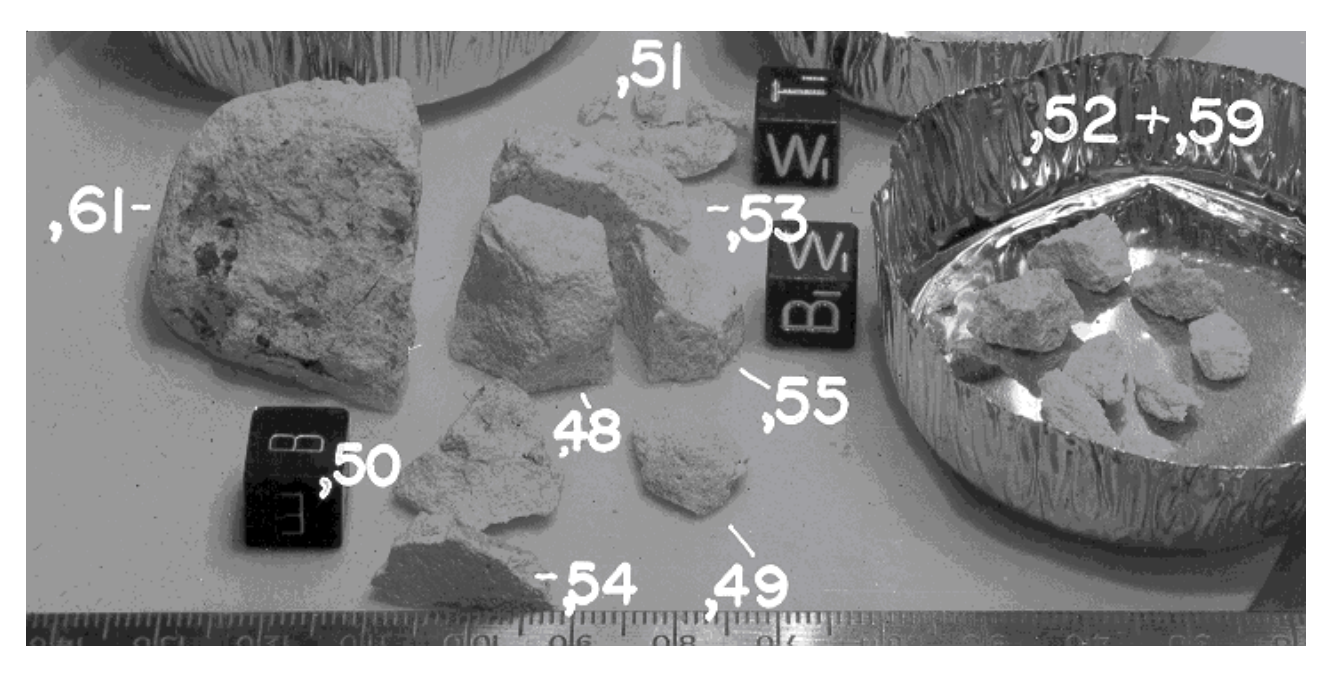
Figure 12: Splitting of 65315,29. Cubes are 1 cm. NASA S73-28409.
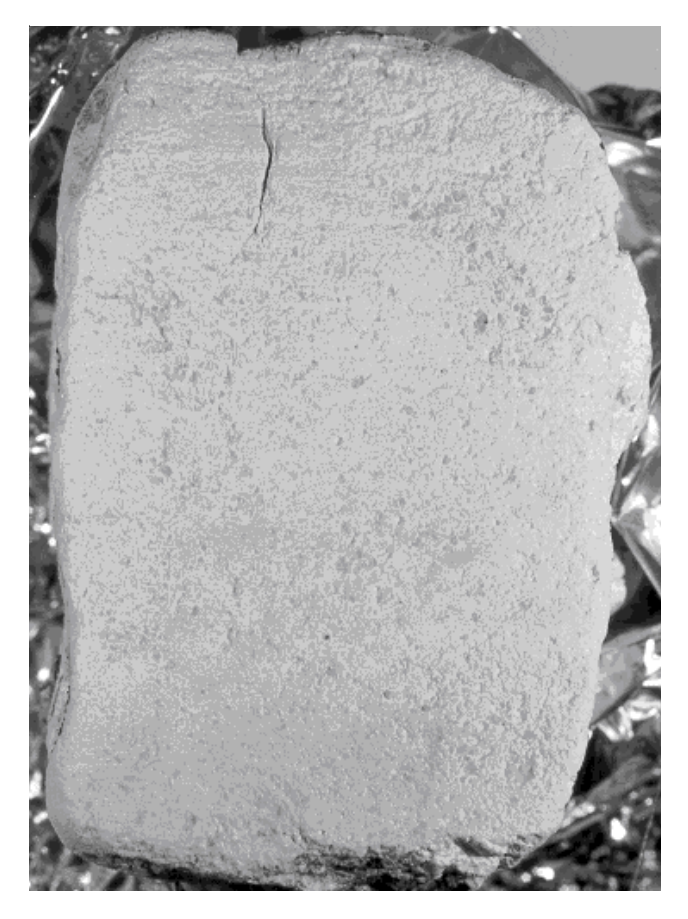
Figure 13: Sawn surface of 65315,46. Scale 3 cm across. NASA S73-28409.
References for 65315
Section titled “References for 65315”Butler P. (1972a) Lunar Sample Information Catalog Apollo 16. Lunar Receiving Laboratory. MSC 03210 Curator’s Catalog. pp. 370.
Dixon J.R. and Papike J.J. (1975) Petrology of anorthosites from the Descartes region of the moon: Apollo 16. Proc. 6th Lunar Sci. Conf. 263-291.
Eberhardt P., Eugster O., Geiss J., Graf H., Grögler N., Morgeli M. and Stettler A. (1975a) 81Kr-Kr exposure ages of some Apollo 14, Apollo 16 and Apollo 17 rocks (abs). Lunar Sci. VI, 233-235. Lunar Planetary Institute, Houston.
Ebihara M., Wolf R., Warren P.H. and Anders E. (1992) Trace elements in 59 mostly highland moon rocks. Proc. 22nd Lunar Planet. Sci. Conf. 417-426. Lunar Planetary Institute, Houston
Eldridge J.S., O’Kelley G.D. and Northcutt K.J. (1973) Radionuclide concentrations in Apollo 16 lunar samples determined by nondestructive gamma-ray spectrometry. Proc. 4th Lunar Sci. Conf. 2115-2122.
Eugster O., Eberhardt P., Geiss J., Grogler N., Jungck M., Meier F., Morgell M. and Niederer F. (1984) Cosmic ray exposure histories of Apollo 14, Apollo 15 and Apollo 16 rocks. Proc. 14th Lunar Planet. Sci. Conf. in J. Geophys. Res. 89, B498-B512.
Eugster O. (1999) Chronology of dimict breccias and the age of South Ray crater at the Apollo 16 site. Meteor. & Planet. Sci. 34, 385-391.
Eugster O. (2003) Cosmic-ray exposure ages of meteorites and lunar rocks and their significance. Chemie der Erde 63, 3-30.
Filleux C., Tombrello T.A. and Burnett D.S. (1977) Direct measurement of surface carbon concentrations. Proc. 8th Lunar Sci. Conf. 3755-3772.
Gopalan K. and Rao M.N. (1976) Solar cosmic ray effects in heavy noble gases of lunar soils and breccias. In Lunar Sci. VII, 316-318. The Lunar Sci. Inst. Houston.
Hartung J.B., Nagel K. and El Goresy A. (1978) Chemical compostion variations in microcrater pit glasses from lunar anorthosite, 65315. Proc. 9th Lunar Planet Sci. Conf. 2495 2506.
Hunter R.H. and Taylor L.A. (1981) Rust and schreibersite in Apollo 16 highland rocks: Manifestations of volatileelement mobility. Proc. 12th Lunar Planet. Sci. Conf. 253 259.
James O.B. (1980) Rocks of the early lunar crust. Proc. 11th Lunar Planet. Sci. Conf. 365-393.
Leich D.A., Goldberg R.H., Burnett D.S. and Tombrello T.A. (1974) Hydrogen and fluorine in the surfaces of lunar samples. Proc. 5th Lunar Sci. Conf. 1869-1884.
LSPET (1973b) The Apollo 16 lunar samples: Petrographic and chemical description. Science 179, 23-34.
LSPET (1972c) Preliminary examination of lunar samples. In Apollo 16 Preliminary Science Report. NASA SP-315, 7-1—7-58.
McGee J.J. (1993) Lunar ferroan anorthosites: Mineralogy, compositional variations and petrogenesis. J. Geophys. Res. 98, 9089-9105.
Mehta S. and Go1dstein J.I. (1980a) Metallic particles in the glassy constituents of three lunar highland samples 65315, 67435, and 78235. Proc. 11th Lunar Planet. Sci. Conf. 1713 1725.
Meyer C. (1979) Trace elements in plagioclase from the lunar highlands. In Papers presented to the Conference on the Lunar Highlands Crust (abs). LPI Contr. 394, 111 113. Lunar Planetary Institute, Houston.
Morris R.V., See T.H. and Horz F. (1986) Composition of the Cayley Formation at Apollo 16 as inferred from impact melt splashes. Proc. 17th Lunar Planet. Sci. Conf. in J. Geophys. Res. 90, E21-E42.
Nagel K., Neukum G. Dohnanyi J.S., Fectig H. and Gentner W. (1976) density and chemistry of interplanetary duct particles, derived from measurements of lunar microcraters. Proc. 7th Lunar Sci. Conf. 1021-1029.
Ryder G. and Norman M.D. (1980) Catalog of Apollo 16 rocks (3 vol.). Curator’s Office pub. #52, JSC #16904
See T.H., Horz F. and Morris R.V. (1986) Apollo 16 impactmelt splashes: Petrography and major-element composition. Proc. 17th Lunar Planet. Sci. Conf. in J. Geophys. Res. 91, E3-E20.
Stettler A., Eberhardt P., Geiss J., Grogler N. and Maurer P. (1974c) Sequence of terra rock formation and basaltic lava flows on the moon. Lunar Sci. V, 738-740.
Sutton R.L. (1981) Documentation of Apollo 16 samples. In Geology of the Apollo 16 area, central lunar highlands. (Ulrich et al. ) U.S.G.S. Prof. Paper 1048.
Wänke H., Palme H., Baddenhausen H., Dreibus G., Jagoutz E., Kruse H., Spettel B., Teschke F. and Thacker R. (1974) Chemistry of Apollo 16 and 17 samples: bulk composition, late-stage accumulation and early differentiation of the Moon. Proc. 5th Lunar Sci. Conf. 1307-1335.
Warren P.H. and Wasson J.T. (1977) Pristine nonmare rocks and the nature of the lunar crust. Proc. 8th Lunar Sci. Conf. 2215-2235.