Sample 76275
76275 Impact Melt Breccia 55.9 grams
Section titled “76275 Impact Melt Breccia 55.9 grams”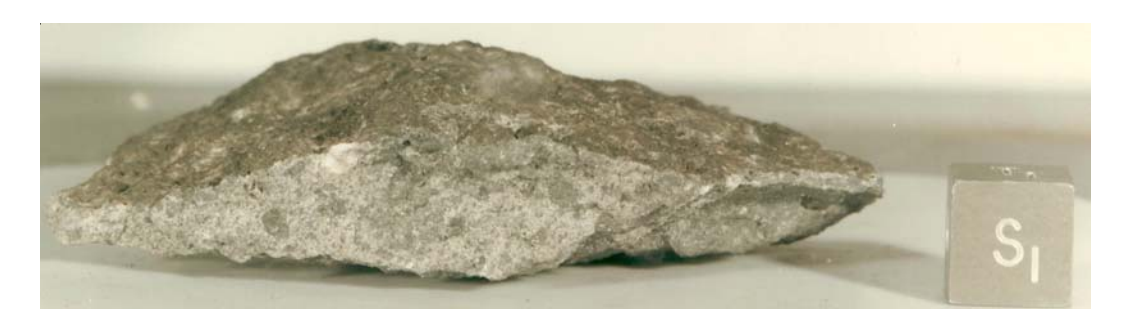
Figure 1: Side view of 76275. Cube is 1 cm. S73-15077
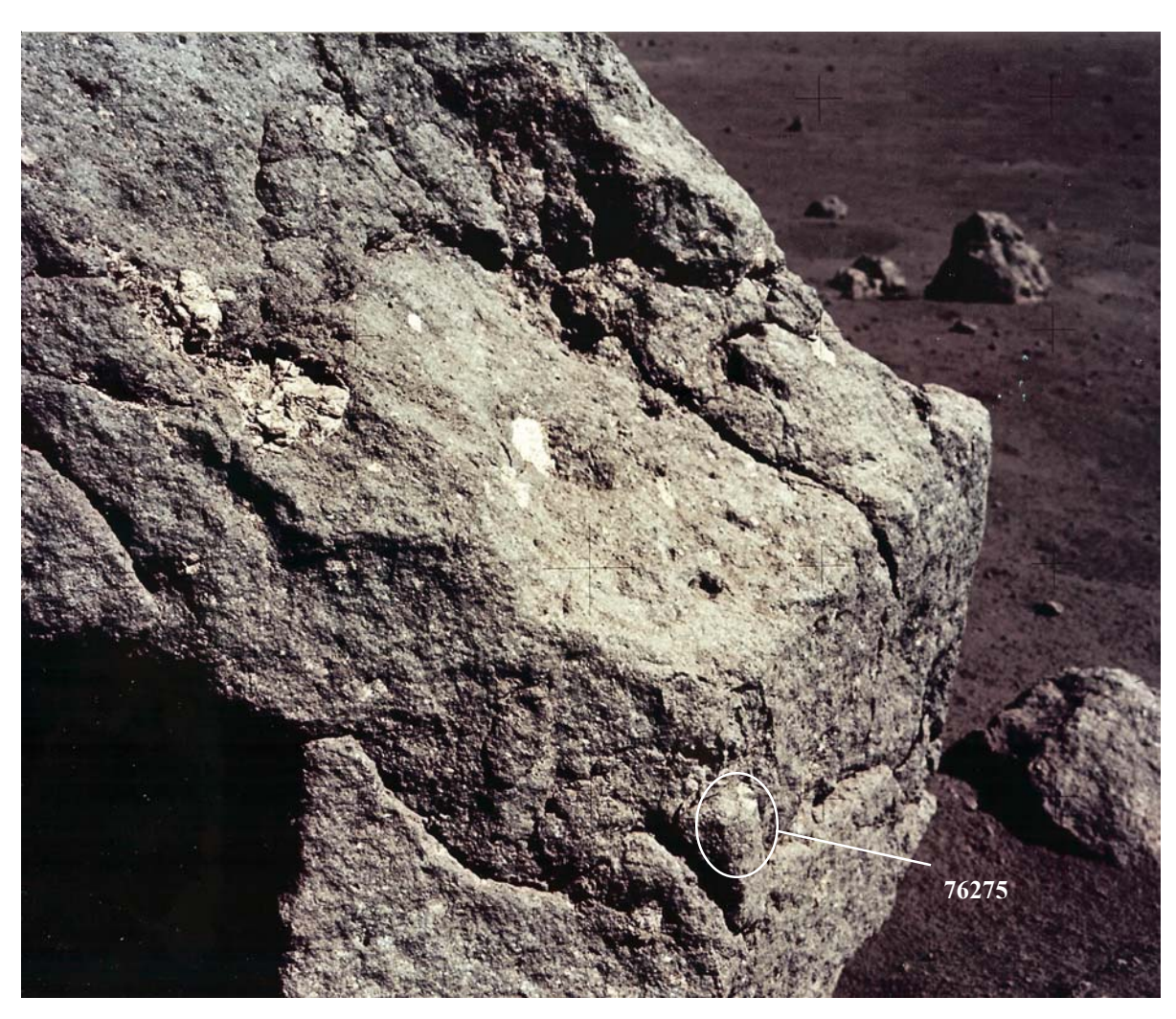
Figure 2: Original location of 76275 on side of block 1, of boulder at station 6, Apollo 17. AS17-140-21443.
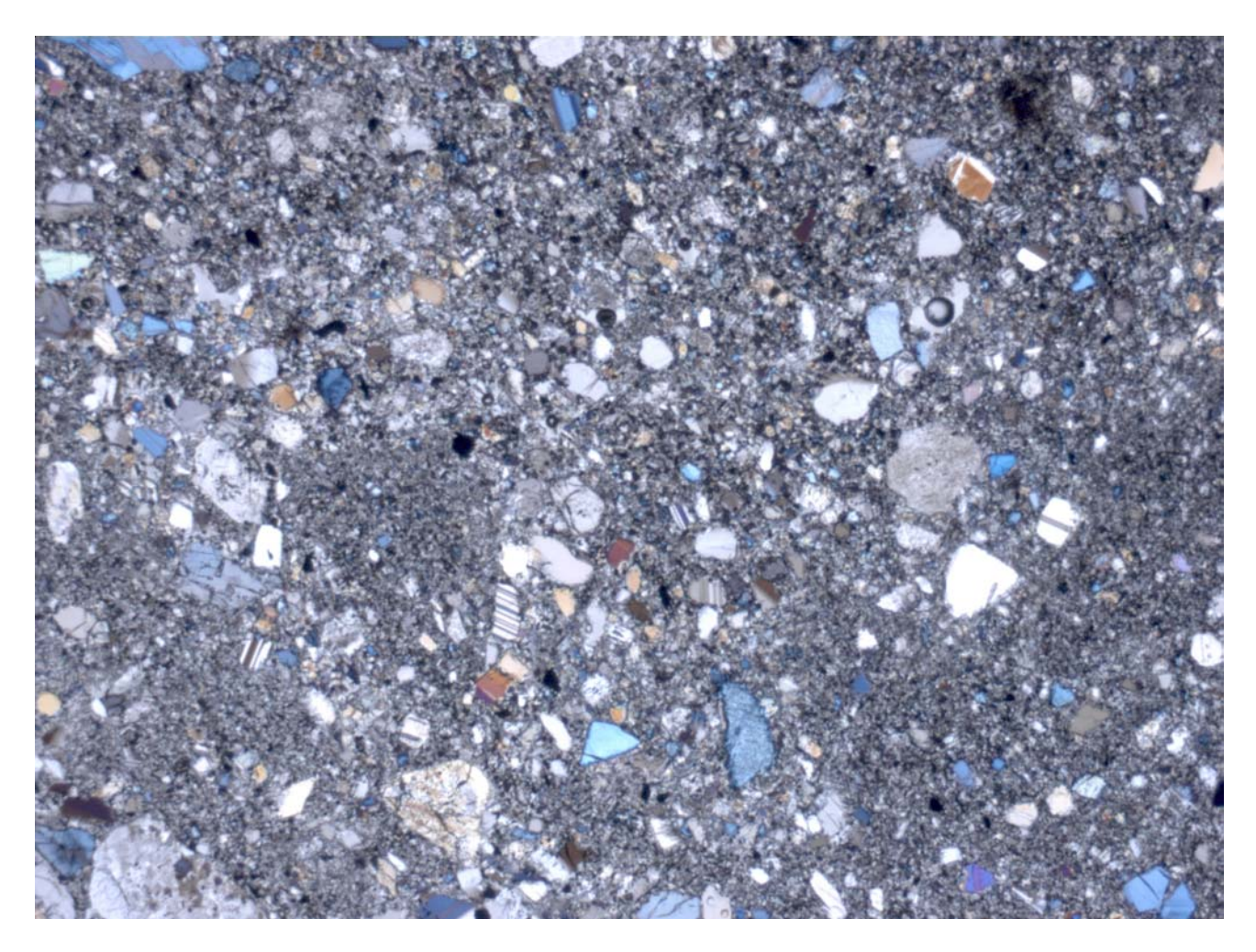
Figure 3: Photomicrograph of thin section 76275,4 by C Meyer. Partially crossed polarizers. Field of view about 2 mm.
Introduction
Section titled “Introduction”76275 was chipped off of the side of block 1 of the big boulder at station 6, Apollo 17 (Wolfe et al. 1981). One side is freshly broken, the other side rounded by micrometeorite bombardment and coated with patina (glass splash from the regolith).
The remaining large piece of 76275 contains white clasts that have never been studied.
Petrography
Section titled “Petrography”76275 is a clast-bearing impact melt breccia (figure 3), similar to other samples of the station 6 boulder (Phinney 1981). The matrix has a poikilitic texture with a matrix of interlocking low-Ca pyroxene oikocrysts that surround abundant clasts and laths of plagioclase, olivine and augite. Sieve-like ilmenite is found between pyroxene oikocrysts.
The composition of pyroxene and olivine is given in figure 5. Misra et al. (1976) studied iron grains in 76275 (figure 6).
Chemistry
Section titled “Chemistry”The bulk composition of 76275 was reported by Phinney (1981). Gros et al. (1976) reported the critical siderophile elements, showing that 76275 was similar to the rest of the station six boulder.
Radiogenic age dating
Section titled “Radiogenic age dating”Cadogen and Turner (1976) determined an age of 4.02 ± 0.04 b.y. by the Ar/Ar plateau technique (figure 7).
Cosmogenic isotopes and exposure ages
Section titled “Cosmogenic isotopes and exposure ages”Rancitelli et al. (1974) determined the cosmic-rayinduced activity of 22Na =100 dpm/kg, 26Al = 110 dpm/
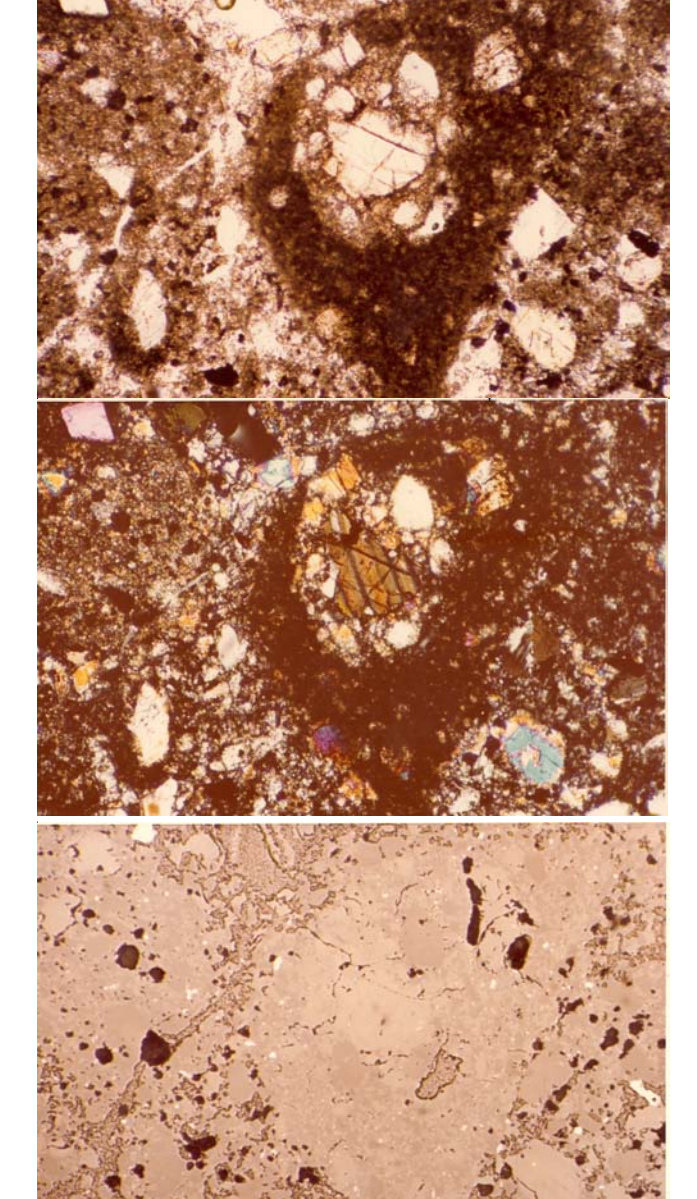
Figure 4: Photomicrographs of 76275,46. PPL-S79-27774, XPL-75, RL-73. Field of view is 1.4 mm.
kg, ${}^{46}$ Sc = 7 dpm/kg, ${}^{54}$ Mn = 103 dpm/kg and ${}^{56}$ Co = 86 dpm/kg.
Processing
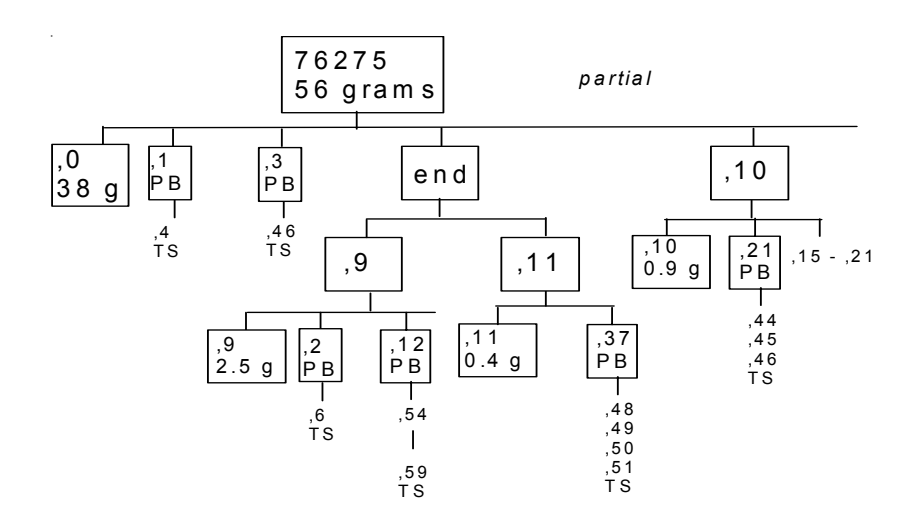
Section titled “Processing”76275 was to be part of a consortium study by Bill Phinney and team. However, the processing was delayed and, for whatever reason, the sample studies were not completed. There are 16 thin sections of 76275. It has been sawn to create an end piece and a wedge which were further subdivided (figure 8).
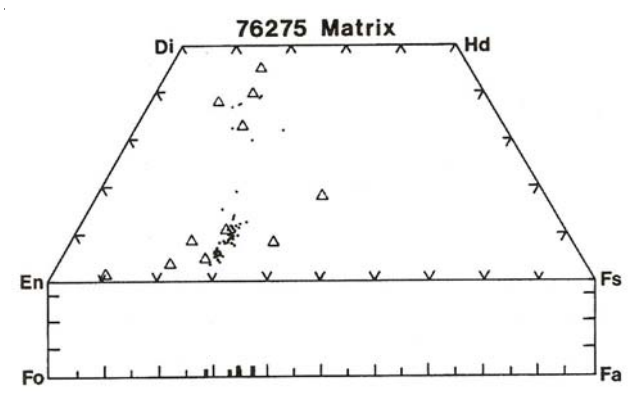
Figure 5: Pyroxene and olivine in 76275 as reported by Phinney (1981).
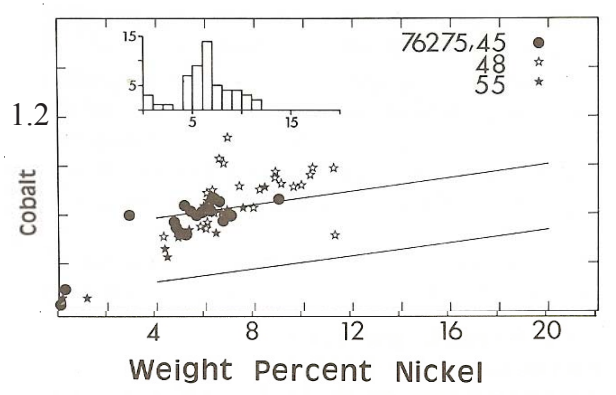
Figure 6: Ni and Co content of metal grains in 76275 (Misra et al. 1976).
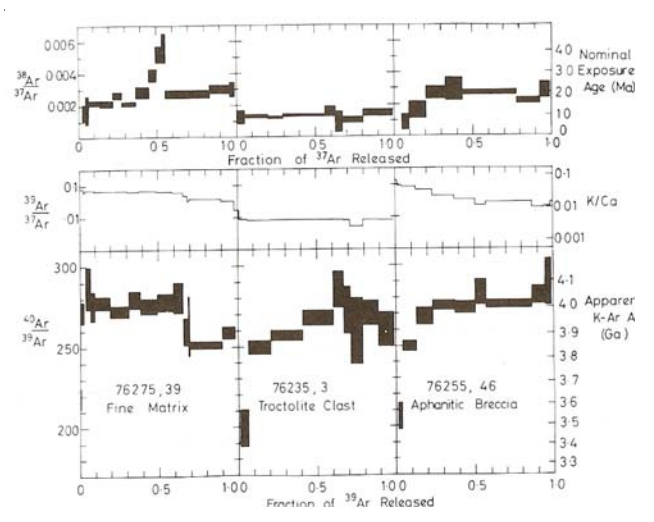
Figure 7: Ar/Ar pleateau diagrsm for Station 6 samples (Cadogen and Turner 1976)
Summary of Age Data for 76275
Section titled “Summary of Age Data for 76275”Ar/Ar
Cadogen and Turner 1976 $4.05 \pm 0.04$ b.y
Table 1. Chemical composition of 76275.
| reference weight SiO2 % TiO2 Al2O3 FeO MnO MgO CaO Na2O K2O P2O5 S % sum | Gros76 | Rancitelli74 | Simonds81 tan matrix 47.14 1.65 18.7 8.54 | (c ) (c ) (c ) (c ) | ||
|---|---|---|---|---|---|---|
| 0.27 | 9.22 12.06 0.72 (b) 0.34 | (c ) (c ) (c ) (c ) | ||||
| Sc ppm V | ||||||
| Cr Co Ni | 387 | (a) | ||||
| Cu Zn | 4 | (a) | ||||
| Ga Ge ppb | 383 | (a) | ||||
| As Se Rb Sr | 125 3.67 | (a) (a) | ||||
| Y Zr Nb Mo Ru Rh | ||||||
| Pd ppb Ag ppb Cd ppb In ppb Sn ppb Sb ppb Te ppb Cs ppm Ba | 19.8 1.22 8.8 12.4 | (a) (a) (a) (a) | ||||
| 2 9.8 0.196 | (a) (a) (a) | |||||
| La Ce Pr Nd | ||||||
| Sm Eu Gd Tb | ||||||
| Dy Ho Er Tm | ||||||
| Yb Lu Hf | ||||||
| Ta W ppb | ||||||
| Re ppb Os ppb Ir ppb Pt ppb | 0.725 8.6 7.76 | (a) (a) (a) | ||||
| Au ppb Th ppm | 5.1 | (a) | 5.69 | (b) | ||
| U ppm | 2.35 | (a) 1.4 | (b) | technique: (a) RNAA, (b) rad. count. , (c ) unreliable fused bead e. probe |
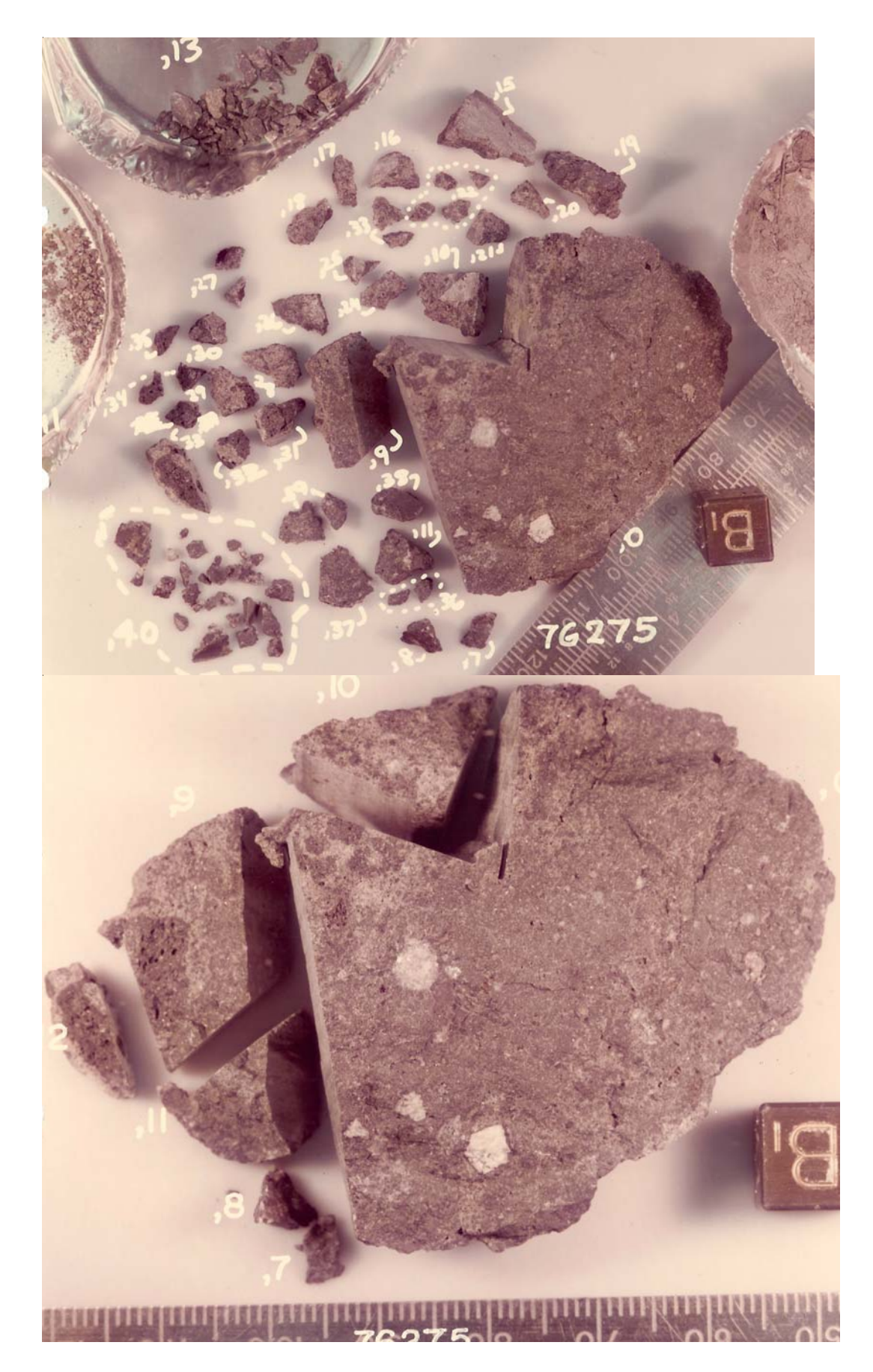
Figure 8a and b: Processing photo of 76275. Cube is 1 cm. S75-24192 and S75-24194
References for 76275
Section titled “References for 76275”Butler P. (1973) Lunar Sample Information Catalog Apollo 17. Lunar Receiving Laboratory. MSC 03211 Curator’s Catalog. pp. 447.
Cadogan P.H. and Turner G. (1976) The chronology of the Apollo 17 Station 6 boulder. Proc. 7th Lunar Sci. Conf. 2267-2285.
Gros J., Takahashi H., Hertogen J., Morgan J.W. and Anders E. (1976) Composition of the projectiles that bombarded the lunar highlands. Proc. 7th Lunar Sci. Conf. 2403-2425.
Meyer C. (1994) Catalog of Apollo 17 rocks: Volume 4. Curator’s Office JSC 26088 pp. 644
Misra K.C., Walker B.M. and Taylor L.A. (1976) Textures and compositions of metal particles in Apollo 17, Station 6 boulder samples. Proc. 7th Lunar Sci. Conf. 2251-2266.
Phinney W.C., Consortium Leader (1974) Progress report: Apollo 17, station 6 boulder consortium (abs). Lunar Sci. V, Suppl. A. The Lunar Science Institute, Houston.
Rancitelli L.A., Perkins R.W., Felix W.D. and Wogman N.A. (1974) Solar flare and lunar surface process characterization at the Apollo 17 site. Proc. 5th Lunar Sci. Conf. 2185-2203.
Simonds C.H. (1975) Thermal regimes in impact melts and the petrology of the Apollo 17 Station 6 boulder. Proc. 6th Lunar Sci. Conf. 641-672.
Simonds C.H., Warner J.L. Phinney W.C. and McGee P.E. (1976) Thermal model for impact breccia lithification: Manicouagan and the moon. Proc. 7th Lunar Sci. Conf. 2509-2528.
Wolfe E.W., Bailey N.G., Lucchitta B.K., Muehlberger W.R., Scott D.H., Sutton R.L and Wilshire H.G. (1981) The geologic investigation of the Taurus-Littrow Valley: Apollo 17 Landing Site. US Geol. Survey Prof. Paper, 1080, pp. 280.