Sample 79155
79155 Shocked Basalt
Section titled “79155 Shocked Basalt”318.8 grams
Section titled “318.8 grams”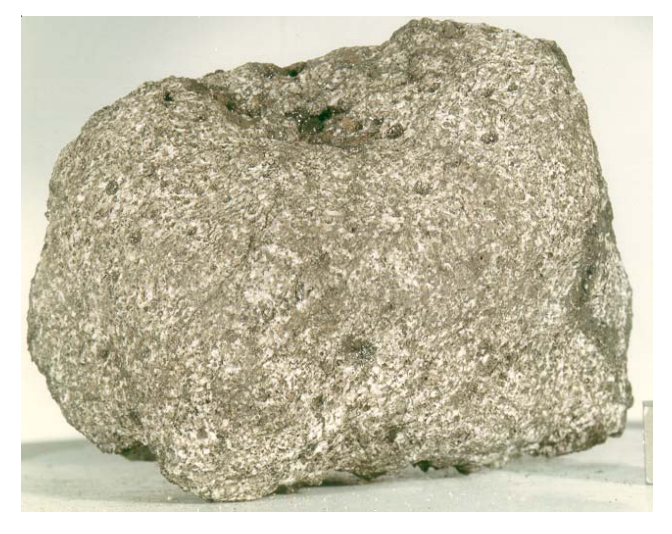
Figure 1: Photo of top of 79155. NASA S73-15323. Sample is about 7 cm across.

Lunar sample 79155 was probably a glass-covered “bomb” thrown out by a small impact. It sat on the lunar surface and the glass on the exposed side was apparently eroded away by micrometeorite bombardment. The main portion the the sample is a mildly-shocked coarse basalt, or “gabbro” with large grain size (2 mm). One side is smooth and rounded and densely covered with micrometeorite craters (figure 1) while the other side (figure 2) has a thick dark glass coating lacking in micrometeorite craters. Apparently
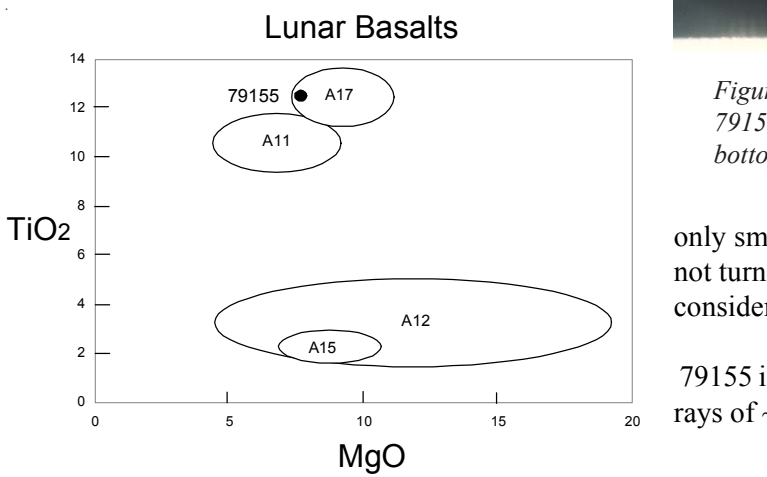
Figure 4: Chemical composition of Apollo basalts with 79155.
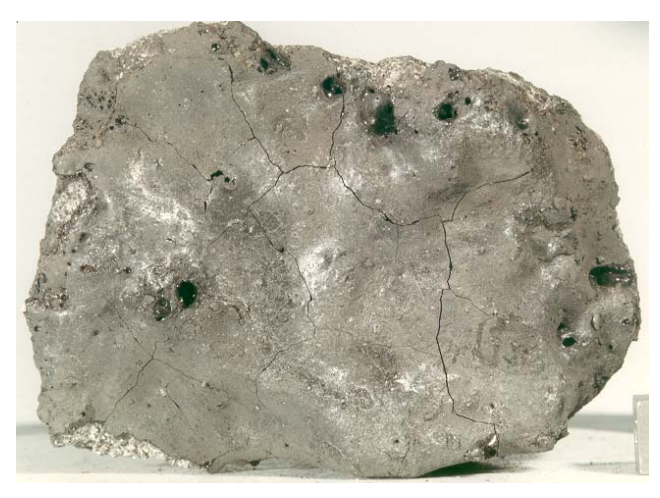
Figure 2: Photo of bottom of 79155. NASA S73-15320.
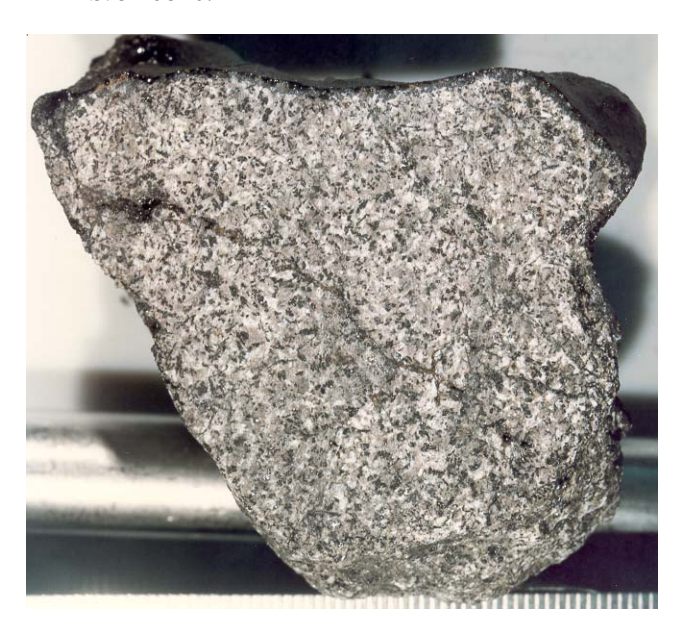
Figure 3: Closeup view of interior surface of 79155,10. NASA S86-38336. Scale in mm along bottom.
only small micrometeorites hit the sample and it was not turned over on the regolith. As such, it should be considered an “oriented sample”.
79155 is ~3.8 b.y. old, with an exposure age to cosmic rays of ~ 575 m.y.
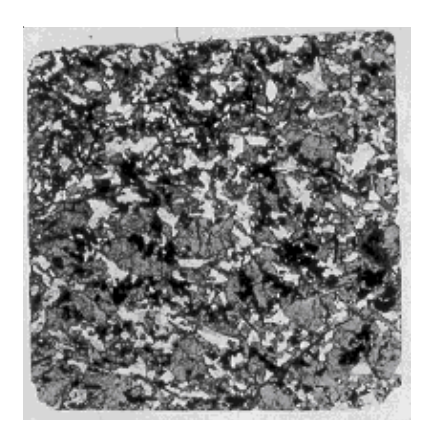
Figure 5: Photo of thin section 79155,68 (from data pack). Section about 1 cm square.

Figure 6: Composition of pyroxene in 79155.
Petrography
Section titled “Petrography”Neal and Taylor (1993) give a brief rock description. They find the average grain size is about 2.5 mm, that the ilmenite contains spinel and rutile exsolution. Both pyroxene and plagioclase have undulose extinction and there are “stringers” of glass throughout the thin sections indicating shock, but in general they find that 79155 was a “typical Apollo 17 basalt”.
The shock features of 79155 were studied by Schaal and Horz (1977) who conclude a maximum shock pressure of 300 – 450 kbars. The relict igneous texture of 79155 is well preserved, but some plagioclase is converted to maskelynite. Shock glass is present. Roedder and Weiblen (1977) also studied glass veins in 79155.
Mineralogy
Section titled “Mineralogy”Pyroxene: Some pyroxene grains have undulatory extinction, indicating shock. They are apparently grey in color, while in most basalts they are honey-brown (figure 3). Both subcalcic augite and pigeonite are present, but without the normal zoning to Fe-rich (figure 6). This was apparently a slowly cooled basalt.
Plagioclase: Some plagioclase has been shocked to maskelynite.
Glass: Glass “pods” and “stringers” have been reported as probable shock features (tabe 2). Mao et al. (1974) studied the color (spectra) and composition of the glass coating.
Chemistry
Section titled “Chemistry”Eldridge et al. (1974), Rhodes et al. (1976), Rose et al. (1975), Wanke et al. (1974) and Shih et al. (1975) have analyzed 79155 and find that it is a normal high-Ti Apollo 17 basalt (figure 4, 7 and 8).
Gibson et al. (1976) reported 2025 ppm sulfur. Nunes et al. (1974) repoerted U, Th and Pb for 79155, but values seem high. Jovanovic and Reed (1978) have reported P and halogens.
Radiogenic age dating
Section titled “Radiogenic age dating”Kirsten and Horn (1974) determined the crystallization age of 79155 of 3.80 ± 0.04 b.y. by the Ar plateau technique (figure 9). However, it should be remembered that this sample shows evidence of shock.
Mineralogical Mode of 79155
Section titled “Mineralogical Mode of 79155”| Roedder and Weiblen 1975 | Brown et al. 1975 | Schaal and Horz 1977 | |
|---|---|---|---|
| Olivine | 0.8 | 0.9 | tr. |
| Pyroxene | 57.2 | 41.5 | 52 |
| Plagioclase | 16.8 | 21.6 | 19 |
| Oxides | 20.8 | 28.7 | 24 |
| Metal | 0.2 | tr. | |
| Silica | tr. | - | |
| Mesotasis | 1.2 | 7.3 |
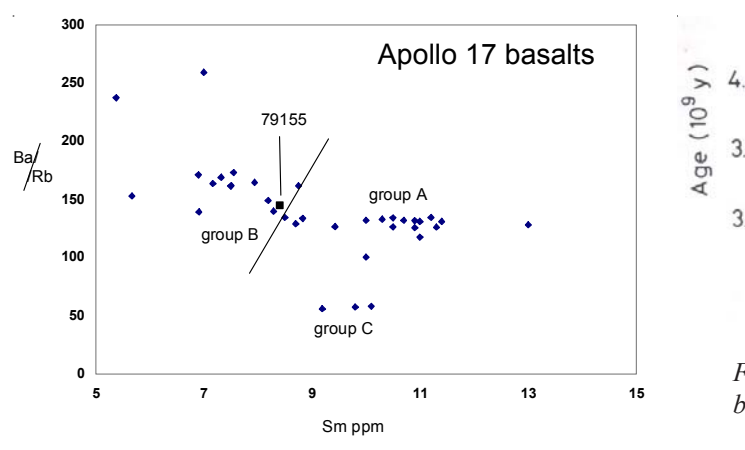
Figure 7: Basalt sample 79155 may be A or B !?
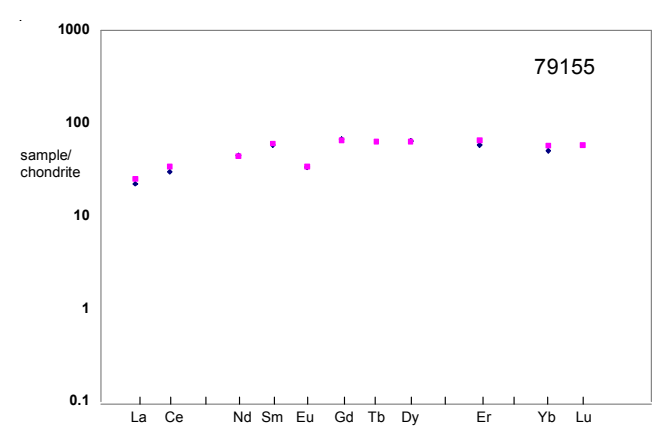
Figure 8: Normalized rare-earth-element diagram for 79155 (data by Shih et al. and Wanke et al.).
Summary of Age Data for 79155
Section titled “Summary of Age Data for 79155”Ar/Ar
Kirsten and Horn 1974 3.80 ± 0.04 b.y. Caution: Based on old decay constants.
Cosmogenic isotopes and exposure ages
Section titled “Cosmogenic isotopes and exposure ages”Kirsten and Horn (1974) reported an exposure age of 575 ± 60 m.y by the 38Ar method for 79155.
O’Kelley et al. (1974) studied the effect of the intense August 1972 solar flare. They found the cosmic-ray inducted activity of 22Na = 63 dpm/kg., 26Al = 70 dpm/ kg., 46Sc = 65 dpm/kg., 54Mn = 129 dpm/kg. and 56Co = 153 dpm/kg.
Other Studies
Section titled “Other Studies”Cisowski et al. (1977, 1983) studied the magnetic properties of 79155.
Fechtig et al. (1974) reported the size distribution of micrometeorite craters on 79155 (figure 10).
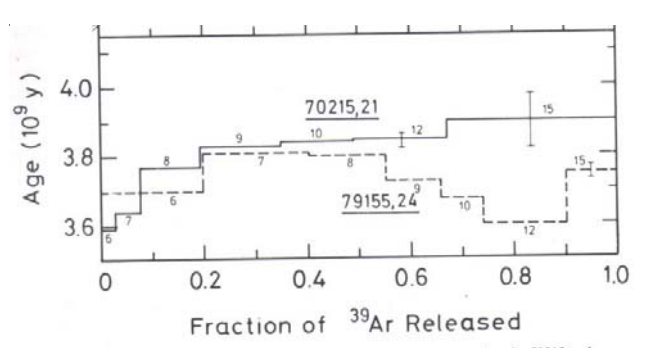
Figure 9: Ar/Ar plateau diagram for two Apollo 17 basalts (Kirsten and Horn 1974).
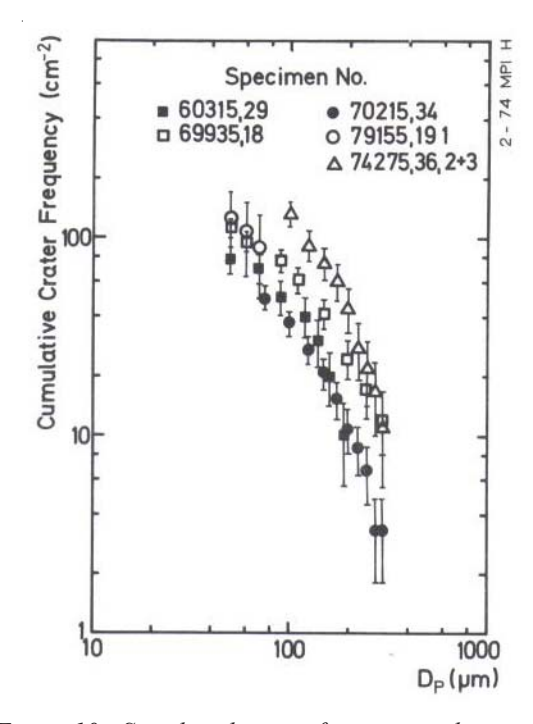
Figure 10: Size distribution of zap pits on lunar samples including 79155 (data by Fechtig et al. 1974).
Klein et al. (1975) and Uhlmann et al. (1979) studied cooling rate for glass in 79155.
Processing
Section titled “Processing”A slab was cut from 79155 (figure 12) and twelve thin sections prepared. The large end piece with attached glass coating makes a nice display (figure 11).
Table 1. Chemical composition of 79155.
| reference | Rhodes 76 Rose 75 | Wanke75 | Shih75 | Eldridge74 | Baedecker74 | Boynton75 | ||||||||
|---|---|---|---|---|---|---|---|---|---|---|---|---|---|---|
| weight SiO2 % TiO2 Al2O3 FeO MnO MgO CaO | 37.5 12.99 8.58 19.04 0.28 9.14 10.29 | 39.13 12.56 9.4 18.19 0.27 9.58 10.19 0.36 | (b) 40.9 (b) 11.8 (b) 9.2 (b) 19 (b) 0.26 (b) 9.28 (b) 10.6 (b) 0.35 | (c ) (c ) (c ) (c ) (c ) (c ) (c ) | Wiesmann75 (c ) Nyquist75 | 12.38 8.13 19.1 0.26 10.78 0.385 | (a) (a) (a) (a) (a) (a) | |||||||
| Na2O 0.38 K2O 0.055 P2O5 0.05 S % 0.17 sum | (a) 0.08 0.04 | (b) 0.053 (b) 0.055 0.14 | (c ) (c ) | (c ) 0.055 | (a) 0.053 | (e) | ||||||||
| Sc ppm V | 78 62 | (b) | (b) 87.4 | (c ) 82.5 | (d) | 80 | (a) | |||||||
| Cr Co Ni | 3421 30 1 | (b) | (b) 3680 (b) 22.5 | (c ) | (c ) 20.7 | (d) | 2.7 | 3500 22 (f) 4.4 | (a) (a) (f) | |||||
| Cu Zn Ga Ge ppb As | 37 4.6 6.8 | (b) 4.7 (b) 2.7 (b) 3.36 50 4.9 | (c ) (c ) (c ) (c ) (c ) | 1.9 4.34 2 | (f) 2 | (f) 2.9 (f) 4.1 | (f) (f) (f) | |||||||
| Se Rb Sr Y Zr Nb Mo Ru Rh | 0.485 173 | (a) | (a) 148 104 255 | 0.21 0.41 (b) 158 (b) 70 (b) 197 17.4 | (c ) (c ) (c ) | (c ) 0.485 (c ) 173 (c ) 222 | (a) (a) (a) | |||||||
| Pd ppb Ag ppb Cd ppb In ppb Sn ppb Sb ppb Te ppb | 6.5 0.226 | (f) 8 | (f) 0.62 | (f) (f) | ||||||||||
| Cs ppm Ba La Ce | 65.3 5.2 17.9 | (a) (a) | (a) 180 | 0.021 (b) 65 5.79 20.6 | (c ) | (c ) 65.3 (c ) 5.2 (c ) 17.9 | (a) (a) (a) | 4.6 23 | (a) (a) | |||||
| Pr Nd Sm Eu | 20.1 8.5 1.88 | (a) (a) (a) | 3.5 20 8.86 1.9 | (c ) | (c ) 20.1 (c ) 8.5 (c ) 1.88 | (a) (a) (a) | 7.7 2.2 | (a) (a) | ||||||
| Gd Tb | 13.2 | (a) | 12.8 2.3 | (c ) | (c ) 13.2 | (a) | 1.8 | (a) | ||||||
| Dy Ho Er | 15.6 9.22 | (a) (a) | 15.2 3.9 10.3 | (c ) | (c ) 15.6 (c ) 9.22 | (a) (a) | ||||||||
| Tm Yb | 8.51 | (a) | 9.3 | (c ) 8.51 | (a) | 9 | (a) | |||||||
| Lu Hf Ta W ppb Re ppb Os ppb | 1.17 | (a) | 1.4 8.77 1.7 66 0.2 | (c ) (c ) (c ) (c ) (c ) | 1.3 8 2 | (a) (a) (a) | ||||||||
| Ir ppb Pt ppb | 0.07 | (f) 0.13 | (f) | |||||||||||
| Au ppb Th ppm | 0.097 | (c ) | 0.32 | (e) | 0.26 | (f) | ||||||||
| U ppm | 0.109 | (c ) 0.092 | (a) 0.11 | (e) | technique: (a) IDMS, (b) “microchemical”, (c ) combined, (d) INAA, (e) radiation counting, (f) RNAA |
Table 2. Chemical composition of glass 79155.
| reference Morgan74 weight SiO2 % TiO2 Al2O3 FeO MnO MgO CaO Na2O K2O P2O5 S % sum | black | orange 43.3 7.26 8.93 16.4 0.25 10.57 11.2 0.46 0.06 | Shaal and Horz 1977 red 37.6 16.35 9.27 20.44 0.34 7.95 9.18 0.38 0.06 | yellow 41.2 9.38 11.41 17.05 0.26 7.92 10.8 0.54 0.1 | (b) 18 (b) | Roedder77 veins? (b) 43.6 (b) 8.42 (b) 12.2 (b) 0.22 (b) 7.92 (b) 10.6 (b) 0.12 | (b) (b) (b) (b) (b) (b) (b) (b) | |
|---|---|---|---|---|---|---|---|---|
| Sc ppm V | ||||||||
| Cr | ||||||||
| Co Ni | 79 | (a) | ||||||
| Cu Zn | 2.6 | (a) | ||||||
| Ga Ge ppb | 24 | (a) | ||||||
| As | ||||||||
| Se Rb | 205 0.84 | (a) (a) | ||||||
| Sr Y | ||||||||
| Zr Nb Mo Ru Rh | ||||||||
| Pd ppb Ag ppb | 5.1 | (a) | ||||||
| Cd ppb | 3.5 | (a) | ||||||
| In ppb Sn ppb | ||||||||
| Sb ppb Te ppb | 2.45 1 | (a) (a) | ||||||
| Cs ppm | 0.042 | (a) | ||||||
| Ba La | ||||||||
| Ce Pr | ||||||||
| Nd | ||||||||
| Sm Eu | ||||||||
| Gd Tb | ||||||||
| Dy | ||||||||
| Ho Er | ||||||||
| Tm Yb | ||||||||
| Lu | ||||||||
| Hf Ta | ||||||||
| W ppb | ||||||||
| Re ppb Os ppb | 0.143 | (a) | ||||||
| Ir ppb Pt ppb | 2.4 | (a) | ||||||
| Au ppb Th ppm | 0.81 | (a) | ||||||
| U ppm | 0.178 | (a) |
technique: (a) RNAA, (b) electron probe
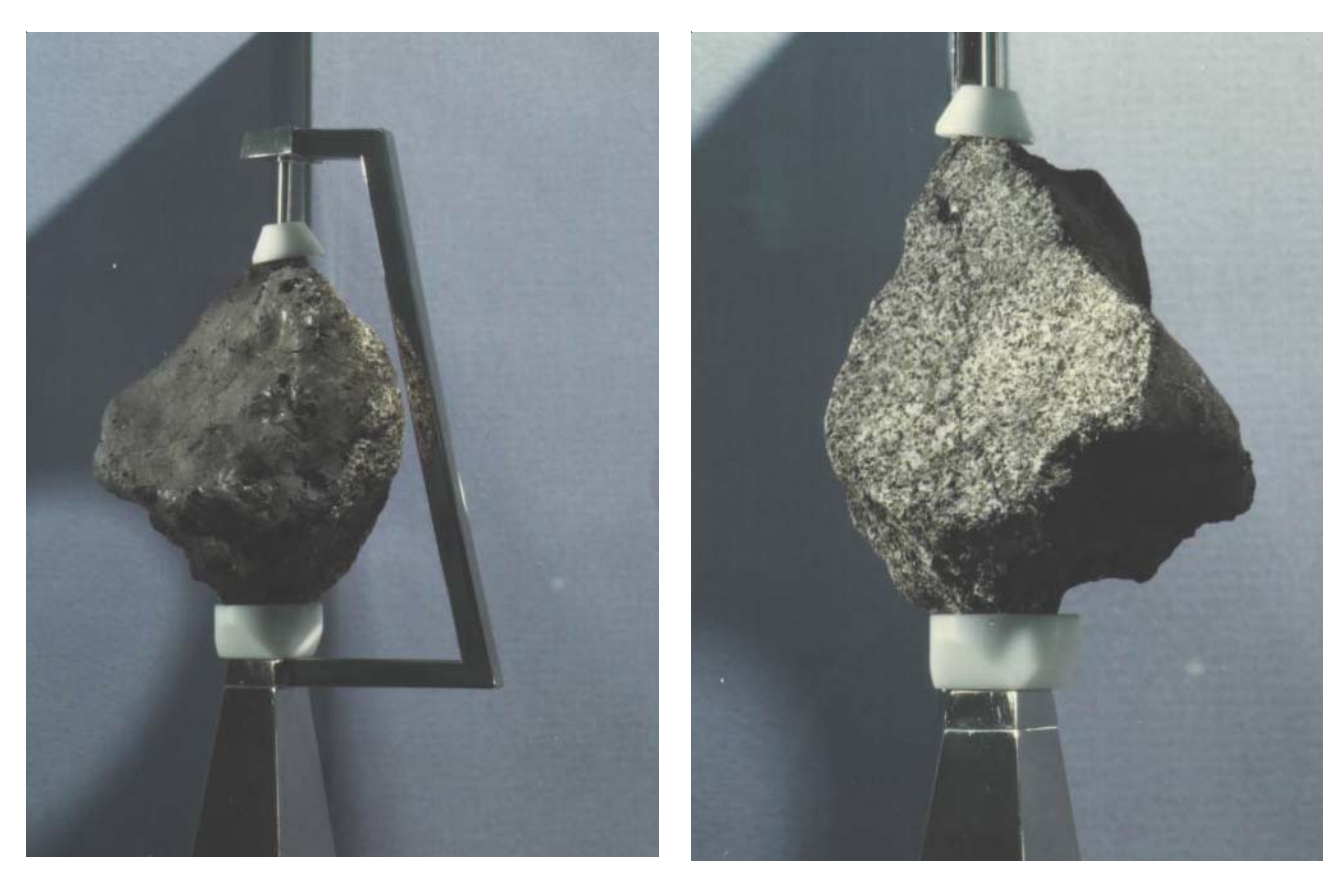
Figure 11: Two views of 79155 PAO exhibit in Chicago. NASA S87-34944 and 943 (right).
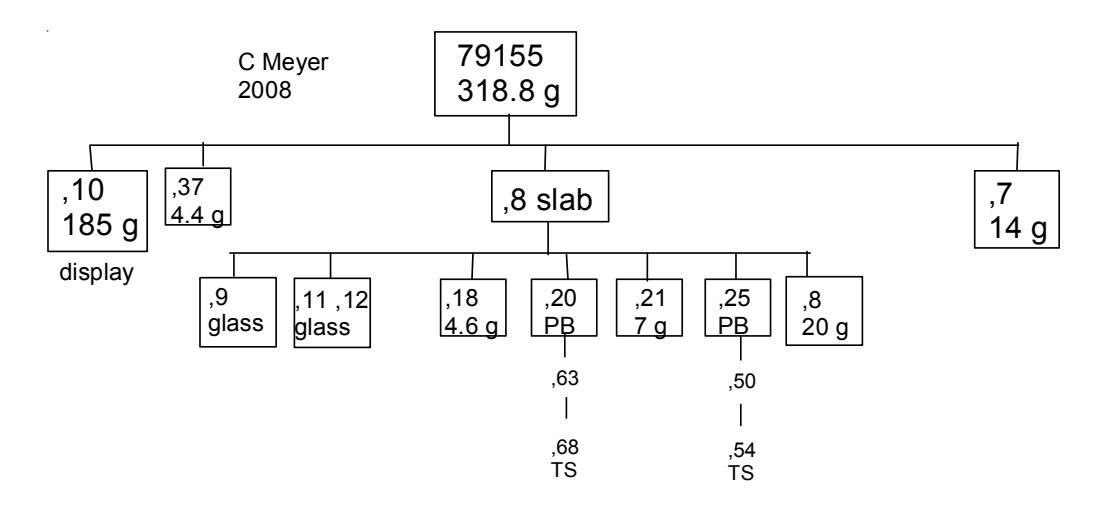
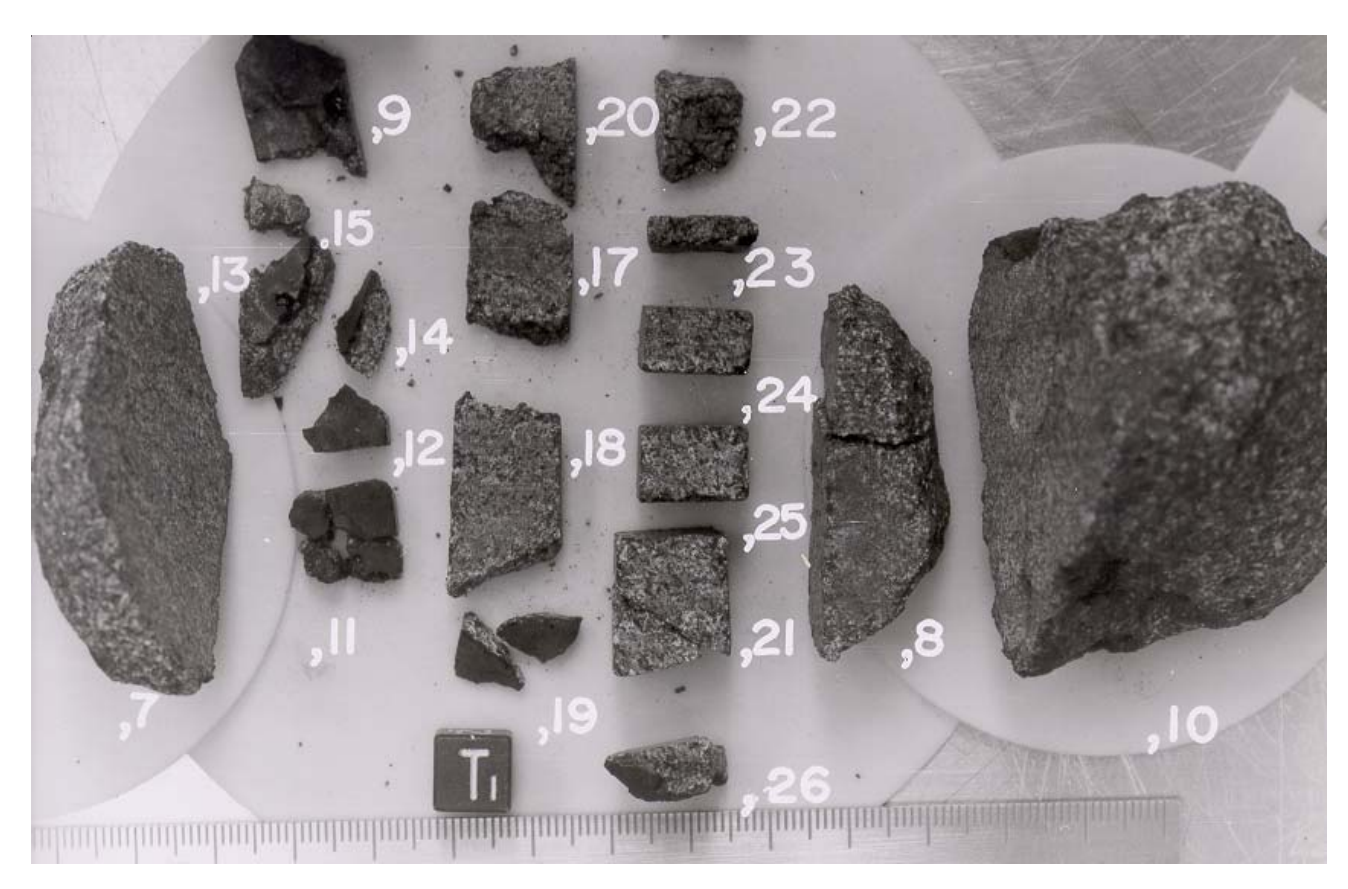
Figure 12: Group photo of 79155 after saw cuts. NASA S73-36700. Cube is 1 cm.
Referneces for 79155
Section titled “Referneces for 79155”Baedecker P.A., Chou C.-L., Sundberg L.L. and Wasson J.T. (1974) Volatile and siderophile trace elements in the soils and rocks of Taurus-Littrow. Proc. 5th Lunar Sci. Conf. 1625 1643.
Brown G.M., Peckett A., Emeleus C.H., Phillips R. and Pinsent R.H. (1975a) Petrology and mineralogy of Apollo 17 mare basalts. Proc. 6th Lunar Sci. Conf. 1-13.
Boynton W.V., Baedecker P.A., Chou C.-L., Robinson K.L. and Wasson J.T. (1975a) Mixing and transport of lunar surface materials: Evidence obtained by the determination of lithophile, siderophile, and volatile elements. Proc. 6th Lunar Sci. Conf. 2241-2259.
Butler P. (1973) Lunar Sample Information Catalog Apollo 17. Lunar Receiving Laboratory. MSC 03211 Curator’s Catalog. pp. 447.
Cisowski S.M., Hale C. and Fuller M. (1977) On the intensity of ancient lunar fields. Proc. 8th Lunar Sci. Conf. 725-750.
Cisowski S.M., Collinson D.W., Runcom S.K., Stephenson A. and Fuller M. (1983) A review of lunar paleointensity data and implications for the origin of lunar magnetism. Proc. 13th Lunar Planet. Sci. Conf. A691-A704.
Eldridge J.S., O’Kelley G.D. and Northcutt K.J. (1974a) Primordial radioelement concentrations in rocks and soils from Taurus-Littrow. Proc. 5th Lunar Sci. Conf. 1025-1033.
Fechtig H., Hartung J.B., Nagel K., Neukum G. and Storzer D. (1974a) Lunar microcrater studies, derived meteoroid fluxes, and comparison with satellite-borne experiments. Proc. 5th Lunar Sci. Conf. 2463-2474.
Gibson E.K., Usselman T.M. and Morris R.V. (1976a) Sulfur in the Apollo 17 basalts and their source regions. Proc. 7th Lunar Sci. Conf. 1491-1505.
Jovanovic S. and Reed G.W. (1978) Trace element evidence for a laterally inhomogeneous Moon. Proc. 9th Lunar Planet. Sci. Conf. 59-80.
Kirsten T. and Horn P. (1974a) Chronology of the Taurus-Littrow region III: ages of mare basalts and highland breccias and some remarks about the interpretation of lunar highland rock ages. Proc. 5th Lunar Sci. Conf. 1451-1475.
Klein L., Onorato P.I.K., Uhlmann D.R. and Hopper R.W. (1975a) Viscous flow, crystallization behaviour, and thermal histories of lunar breccias 70019 and 79155. Proc. 6th Lunar Sci. Conf. 579-593.
LSPET (1973) Apollo 17 lunar samples: Chemical and petrographic description. Science 182, 659-672.
LSPET (1973) Preliminary Examination of lunar samples. Apollo 17 Preliminary Science Rpt. NASA SP-330. 7-1 – 7-46.
Mao H.K., El Goresy A. and Bell P.M. (1974a) Evidence of extensive chemical reduction in lunar regolith samples from the Apollo 17 site. Proc. 5th Lunar Sci. Conf. 673-683.
Mao H.K., E1 Goresy A. and Bell P.M. (1974b) Orange glasses: Reaction of molten liquids with Apollo 17 soil breccia (70019) and gabbro (79155) (abs). Lunar Sci. V, 489-491. Lunar Planetary Institute, Houston
Morgan J.W., Ganapathy R., Higuchi H., Krahenbuhl U. and Anders E (1974a) Lunar basins: Tentative characterization of projectiles, from meteoritic dements in Apollo 17 boulders. Proc. 5th Lunar Sci. Conf. 1703-1736.
Muehlberger et al. (1973) Documentation and environment of the Apollo 17 samples: A preliminary report. Astrogeology 71 322 pp superceeded by Astrogeolgy 73 (1975) and by Wolfe et al. (1981)
Muehlberger W.R. and many others (1973) Preliminary Geological Investigation of the Apollo 17 Landing Site*. In* Apollo 17 Preliminary Science Report. NASA SP-330.
Neal C.R. and Taylor L.A. (1993) Catalog of Apollo 17 rocks. Vol. 3 Central Valley
Nunes P.D., Tatsumoto M. and Unruh D.M. (1974b) U-Th-Pb systematics of some Apollo 17 lunar samples and implications for a lunar basin excavation chronology. Proc. 5th Lunar Sci. Conf. 1487-1514.
Nyquist L.E., Bansal B.M. and Wiesmann H. (1975a) Rb-Sr ages and initial 87Sr/86Sr for Apollo 17 basalts and KREEP basalt 15386. Proc. 6th Lunar Sci. Conf. 1445 1465.
O’Kelley G.D., Eldridge J.S. and Northcutt K.J. (1974a) Cosmogenic radionuclides in samples from Taurus-Littrow: Effects of the solar flare of August 1972. Proc. 5th Lunar Sci. Conf. 2139-2147.
Rhodes J.M., Hubbard N.J., Wiesmann H., Rodgers K.V., Brannon J.C. and Bansal B.M. (1976a) Chemistry, classification, and petrogenesis of Apollo 17 mare basalts. Proc. 7th Lunar Sci. Conf. 1467-1489.
Roedder E. and Weiblen P.W. (1975a) Anomalous low-K silicate melt inclusions in ilmenite from Apollo 17 basalts. Proc. 6th Lunar Sci. Conf. 147-164.
Roedder E. and Weiblen P.W. (1977b) Shock glass veins in some lunar and meteoritic samples – Their nature and possible origin. Proc. 8th Lunar Sci. Conf. 2593-2615.
Rose H.J., Baedecker P.A., Berman S., Christian R.P., Dwornik E.J., Finkelman R.B. and Schnepfe M.M. (1975a) Chemical composition of rocks and soils returned by the Apollo 15, 16, and 17 missions. Proc. 6th Lunar Sci. Conf. 1363-1373.
Schaal R.B. and Hörz F. (1977a) Shock metamorphism of lunar and terrestrial basalts. Proc. 8th Lunar Sci. Conf. 1697 1729.
Shih C.-Y., Haskin L.A., Wiesmann H., Bansal B.M. and Brannon J.C. (1975a) On the origin of high-Ti mare basalts. Proc. 6th Lunar Sci. Conf. 1255-1285.
Uhlmann D.R., Onorato P.I.K. and Scherer G.W. (1979) A simplified model for glass formation. Proc. 10th Lunar Planet. Sci. Conf. 375-381.
Wänke H., Palme H., Baddenhausen H., Dreibus G., Jagoutz E., Kruse H., Spettel B., Teschke F. and Thacker R. (1974) Chemistry of Apollo 16 and 17 samples: bulk composition, late-stage accumulation and early differentiation of the Moon. Proc. 5th Lunar Sci. Conf. 1307-1335.
Wolfe E.W., Bailey N.G., Lucchitta B.K., Muehlberger W.R., Scott D.H., Sutton R.L and Wilshire H.G. (1981) The geologic investigation of the Taurus-Littrow Valley: Apollo 17 Landing Site. US Geol. Survey Prof. Paper, 1080, pp. 280.